7 Things to Do after Upgrading to Windows 7

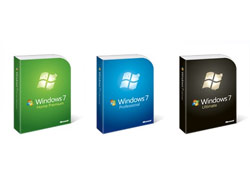
Windows 7, the latest and so far greatest version of the Microsoft developed operating system has been released to the masses late last month. Since then many Windows users around the world have left Windows XP and Windows Vista behind and have upgraded to Windows 7. I too have left my trustworthy XP behind and have switched to Windows 7. I can say that I’m terribly pleased with how Microsoft shaped the operating system.
But enough about how good Windows 7 is, or how good I think it is. Let’s focus on what you could do once Windows 7 is installed on your machine.
1. Personalize the OS
You can enable a cool theme (without changing the cursor and icons), set it up so the desktop background is a picture slideshow, pin your favorite applications to the Taskbar or the Start Menu, and enable a gadget.
2. Get Windows Live Essentials
Programs that came bundled with Vista, are no longer available in Windows 7 – and that is where Windows Live Essentials comes in. It provides programs such as Messenger, Mail, Photo Gallery, Toolbar, Family Safety, Movie Maker, Microsoft Office Live Add-in.
3. Install a Properly Good, Free Media Player
To be honest, I launched Windows Media Player once, saw that it asked me to go through some setup steps, and gave it up. I returned to what I had planed to do in the first place: install VLC. And so I did. This open-source, cross-platform media player will play just about any media format straight out of the box.
4. Get a Security Software Solution
In this ever-increasing threatscape, it is important to get a genuine, legitimate security software solution and keep your system protected. Windows 7 will inform you of this and will even suggest a list of security software applications you could download.
5. Remove the bloatware
If you bought a new Windows 7 PC instead of installing the new OS on your old system, then chances are that it came bundled with a ton of bloatware/crapware. Thankfully there’s a simple fix: PC Decrapifier. This free piece of software will remove all the crapware the OEM (Original Equipment Manufacturer) preinstalled and more.
6. Forget the Mouse, Use a Keyboard shortcut
There are numerous keyboard shortcuts you can use in Windows 7 (see here for a look at the most useful ones, see here for a complete and detailed list). I particularly like the fact that if you have opened a ton of windows, you can click one, shake the mouse and every other window will be minimized.
7. Have Fun
Click every link, look under every menu, discover all the features that Windows 7 has to offer.
But enough about how good Windows 7 is, or how good I think it is. Let’s focus on what you could do once Windows 7 is installed on your machine.
1. Personalize the OS
You can enable a cool theme (without changing the cursor and icons), set it up so the desktop background is a picture slideshow, pin your favorite applications to the Taskbar or the Start Menu, and enable a gadget.
2. Get Windows Live Essentials
Programs that came bundled with Vista, are no longer available in Windows 7 – and that is where Windows Live Essentials comes in. It provides programs such as Messenger, Mail, Photo Gallery, Toolbar, Family Safety, Movie Maker, Microsoft Office Live Add-in.
3. Install a Properly Good, Free Media Player
To be honest, I launched Windows Media Player once, saw that it asked me to go through some setup steps, and gave it up. I returned to what I had planed to do in the first place: install VLC. And so I did. This open-source, cross-platform media player will play just about any media format straight out of the box.
4. Get a Security Software Solution
In this ever-increasing threatscape, it is important to get a genuine, legitimate security software solution and keep your system protected. Windows 7 will inform you of this and will even suggest a list of security software applications you could download.
5. Remove the bloatware
If you bought a new Windows 7 PC instead of installing the new OS on your old system, then chances are that it came bundled with a ton of bloatware/crapware. Thankfully there’s a simple fix: PC Decrapifier. This free piece of software will remove all the crapware the OEM (Original Equipment Manufacturer) preinstalled and more.
6. Forget the Mouse, Use a Keyboard shortcut
There are numerous keyboard shortcuts you can use in Windows 7 (see here for a look at the most useful ones, see here for a complete and detailed list). I particularly like the fact that if you have opened a ton of windows, you can click one, shake the mouse and every other window will be minimized.
7. Have Fun
Click every link, look under every menu, discover all the features that Windows 7 has to offer.